
How to Build an Email Marketing List in 2026 (9 Strategies)
In 2026, email marketing lists are still a powerful asset for brands. For every $1 a company spends on email marketing, it gets a whopping $42 in return.
That doesn’t mean, though, that you can just send emails to just about anyone and expect to reap marketing benefits. The success of your email campaigns is only as good as your subscriber list.
A targeted high-quality email list ensures your marketing emails land in the inboxes of people who are actually interested in your products, making them more likely to engage with your valuable content. When they engage with your content, they’re also more likely to buy in the long run.
So, how to build an email list for success? Let’s discuss eight ways:
1. Create a High-Converting Landing Page
If you’re looking to build an email marketing list, your dedicated landing page is where the magic begins. Think of it as the gateway to your brand. First impressions matter, so using a landing page builder can help you shape that first interaction and turn website visitors into email subscribers.
- Compelling Headlines and Supporting Copy: Your headline should grab attention immediately. Your copy should also quickly communicate the benefits of subscribing to your email list.
- Strong Visuals: Use images or videos that reinforce your message and make the page more engaging. Visuals can also guide the visitor's attention to the email signup form.
- Minimal Form Fields: Keep the form fields to a minimum to reduce friction. Typically, asking for just an email address is enough to get people to subscribe. You can always gather more information later.
- Leverage Social Proof: Include testimonials, case studies, or trust badges to reassure visitors that signing up is a safe and valuable choice.
Check out this excellent example, where the landing page headline will likely turn heads. Who doesn’t want to get “proven SEO tips” without any hassle, after all?

Once the visitor’s attention is on the landing page, the marketer sustains it by further highlighting the benefits in the supporting copy. So if they see that they can get “access to exclusive tips, strategies, and case studies,” they’ll finally give in and provide their email address.
The visuals are simple and don't distract from the main subject and the form itself. And the number of fields is reduced to one, so the users just need to share their email address without providing any additional personal details.
You might even want to consider using multiple lead generation landing pages, each tailored to different segments of your audience. Companies with 10-15 segmented landing pages can achieve up to a 55% increase in lead generation.
2. Verify Your Email List
Once you start building an email marketing list and your subscriber count grows, you'll need to keep it up to date. Email lists go outdated faster than you'd think as people change jobs, switch emails, or just abandon old accounts.
Before you know it, a good part of your list is made up of contacts who will never actually receive your emails.
That's a problem because those invalid addresses hurt your deliverability. A high bounce rate signals to email providers like Gmail and Outlook that something is off, which can damage your sender reputation and push your emails into spam.
To solve this issue, export your email list every two or three months and run it through Skrapp's bulk email verifier. It will flag the invalid addresses so you can remove them and keep your list full of contacts that are actually reachable.
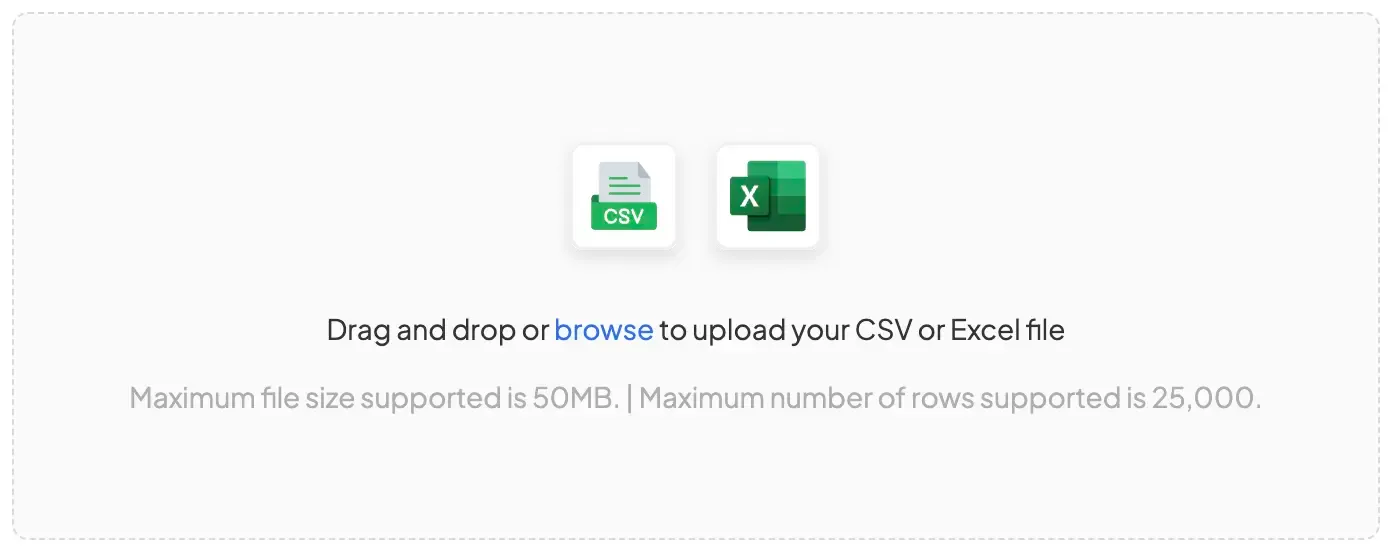
If you're using a CRM like HubSpot or Salesforce, you can take this a step further. Skrapp integrates directly with most major CRMs, so instead of manually exporting and importing your email marketing lists each time, the verification process fits right into your existing workflow.
3. Use Powerful CTAs
A high-converting landing page is only as good as the Call to Action (CTA) that drives it. Your CTA is what nudges your ideal subscribers to take that crucial step, whether it’s signing up for your newsletter or downloading a free guide.
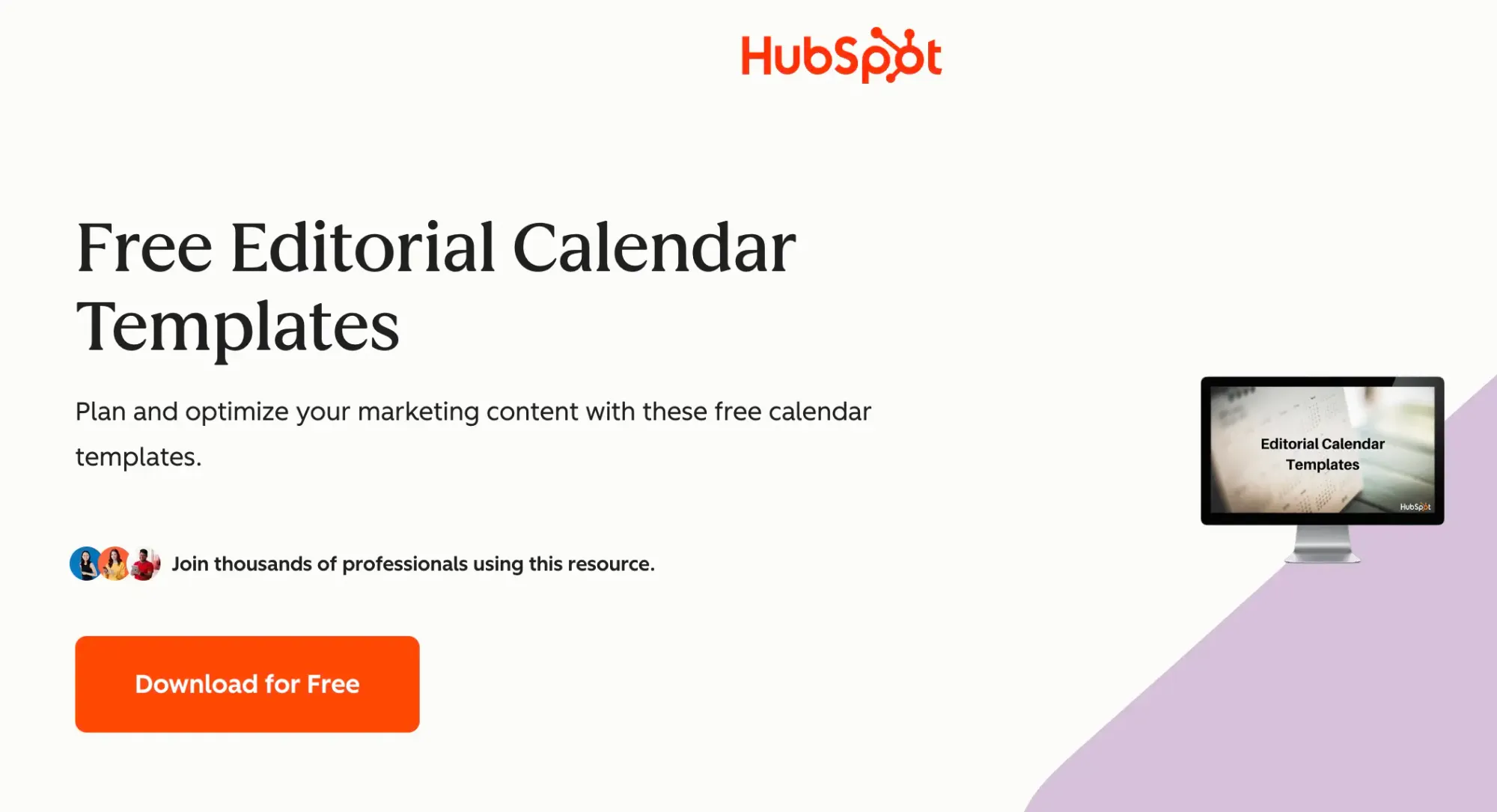
Use personalized CTAs. They can convert up to 202% better than generic call-to-action buttons.
Also, make sure you specify the benefit users will get when they click your CTA. For example, if your landing page aims to get users to download your free social media content calendar in exchange for their email addresses, a call to action that specifies the template is free may be more effective than a mere “Download” CTA.
Use action-oriented words like "Get” or “Download” to prompt viewers to act. Adding a sense of urgency can also boost conversion rates. Phrases like "Limited Time Offer" or "Join Now Before It’s Gone" can encourage visitors to provide their email addresses on the spot.
Finally, ensure your CTA is prominently displayed and easy to find. It should be placed where the visitor’s eye naturally travels, such as above the fold.
4. Experiment with Pop-Ups
Pop-ups are among the most effective tools for building an email list. Since they target your actual website visitors, you can ensure those who sign up using them are really interested in what you have to offer.
But the secret to using pop-ups lies in their timing, copy, and placement.
Experiment with different types of pop-ups, such as exit-intent pop-ups and in-line pop-ups. Exit pop-ups appear just as a visitor is about to leave your site. Meanwhile, inline forms blend seamlessly with your content.
If you’re using the second, don’t just throw it at your visitors the moment they land on your site. Give them a chance to engage with your content first.
Tailor your inline pop-ups to the content the visitor is engaging with as well. For example, if they’re reading a blog post on SEO, the pop-up could offer a free SEO checklist in exchange for their email.
Placement matters, too. Consider using your inline pop-up forms in your site’s navigation or footer, where they can catch the eye without being intrusive.
Take this one from the Moz website, for instance. It allows you to scroll and engage with other content on the screen.
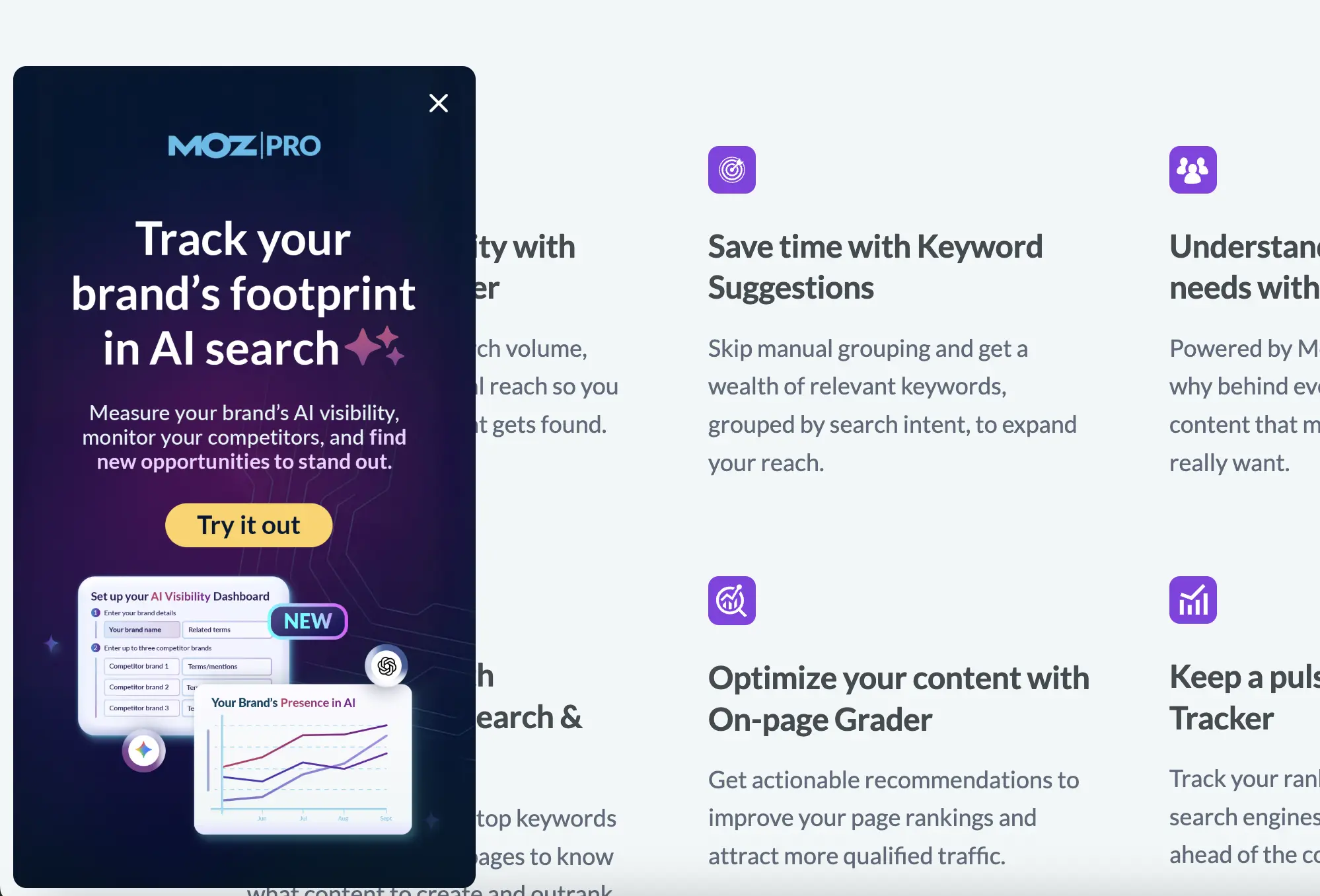
Whatever the type of pop-up you use, ensure it’s visually appealing and consistent with your brand’s aesthetics. Avoid clutter and use clear, concise messaging.
Also, test different designs, messages, and triggers to see what works best for your audience. The goal is to create pop-ups that enhance the user experience while still driving conversions.
5. Offer Incentives and Giveaways
Offering incentives and giveaways is a surefire way to entice visitors to part with their email addresses. About 90% of customers are willing to share their email addresses in exchange for incentives such as free samples and discounts.
However, your giveaway needs to be valuable enough to justify the exchange. Think about what would make your target audience excited to share their contact information.
Are they SaaS business owners? Offer an exclusive discount code on your product or a free trial in exchange for their email addresses, like Honeybook does:
The key is to offer something that’s relevant to their needs. This not only helps you build an email list quickly but also ensures that the people on your list are genuinely interested in what you have to offer.
6. Promote via Social Media
Social media is a goldmine for list-building, but it requires more than just posting your landing page link and calling it a day.
To build email lists for marketing, you need to engage with your target audience on their preferred platforms. Leverage platforms like Facebook, TikTok, Instagram, or LinkedIn to reach a broader audience and drive more traffic to your landing pages.
Here’s how to effectively use social media channels to build your clean email list:
- Share custom links to your email sign-up forms and gated content across your social media accounts. Use engaging visuals and captions to attract your ideal subscribers' attention. Don’t forget to include the powerful CTAs we discussed earlier.
- Invest in targeted ads as part of your social media promotion. These can drive users to your email sign-up page. See this example:
Social channels like Facebook and Instagram offer advanced targeting options, allowing you to reach specific target audiences and interest groups.
- Run social media contests that require users to provide their email addresses to enter. Make sure the contests are only for your ideal subscribers.
Social media platforms also allow for real-time interaction and engagement. This means you can immediately respond to any questions or concerns potential subscribers might have, further increasing the chances they’ll sign up for your list.
Social media management platforms centralize your scheduling, engagement, and analytics across multiple channels. This allows you to maintain a consistent presence without stretching your team too thin.
The more touchpoints you create with your audience, the more likely they are to trust you enough to share their email address.
7. Leverage Your Existing Subscribers and Email Signature
You can also ask your existing subscribers to help you build your email list. Just ask them to forward your email newsletters to their own email contacts they think will be interested in your content. You can offer them an incentive, such as a discount on your products or exclusive content, in exchange for their help.
Just make sure the emails you ask them to forward to select members of their email network will help you reach your list-building goals.
So ensure your email content is high quality. Include a link to your lead generation form, too. But instead of inserting it in your main email body, where it can disrupt the reading experience, incorporate it into your email signature.
This is a non-intrusive — not to mention innovative — approach to building your email list, so people are more likely to oblige and share their email addresses. Make sure, however, that you include compelling copy that prompts action when users click the link. Check out this example:

Because there’s an emphasis on the fact that the guide is free in exchange for an email address, people are likely to click through.
Also, utilize a trackable link to measure how many subscribers you’re getting through your email signature. Email tracking tools like Lavender, Boomerang, and Streak can help you here. You can use your findings to adjust your signature and ensure it ultimately drives more sign-ups.
A well-optimized email signature can drive a 15% increase in click-through rates. Given the sheer volume of emails exchanged daily, leveraging your signature for list building is a simple yet effective strategy that can yield significant results over time.
8. Don’t Overlook Offline Approaches
It’s easy to forget the impact of offline strategies when building a healthy email list in this digital age. However, traditional methods can still be incredibly effective when combined with digital B2C and B2B marketing tactics.
Consider these offline approaches to build your email list:
- In-Person Events: Whether it’s a trade show, conference, or networking event in your industry, use these opportunities to collect email addresses. Do not forget to carry your business card to these events. Better still, opt for digital versions so you do not run out. Platforms like Uniqode help create digital business cards with a two-way contact-sharing feature and allow you to add custom links, such as your lead capture forms. With these groundbreaking digital cards, event attendees can easily access your lead-capture form on the spot, leading to more sign-ups.
- Other Printed Materials: Include your email list sign-up link on other printed materials, such as brochures and posters. Distribute them in places frequented by your ideal subscribers. For instance, if you sell email marketing software, you can give away your brochures and display your posters near a digital marketing company.
These offline approaches might seem old-school, but they can add a personal touch to your list-building efforts that digital strategies may lack. A simple QR code can also make it easy for people to subscribe with their smartphones.
9. Choose the Right Email Marketing Platform
Choose the right email marketing platform to help you build an effective email list.
For instance, some tools allow you to create high-converting sign-up forms without knowledge of code.
If the email marketing platform offers pre-designed forms, even better. You can just use these templates if you don’t have the time to create your lead generation forms from scratch. All you need to do is customize your chosen template to ensure it reflects your branding.
The email marketing software you choose should also enable you to test your forms. This will ensure the landing pages and pop-ups you eventually deploy yield the best results.
Your platform should also offer robust email list management tools to help you segment your subscribers. With these audience segmentation features, you can ultimately ensure an effective email list to use for every email marketing campaign.
Prioritize a solution with advanced list segmentation options to categorize subscribers by demographics.
You should also look for premium email marketing software that lets you create trigger emails. These types of messages are automatically sent to a select subset of your subscriber list in response to their actions.
For instance, abandoned cart emails like the one above are sent to specific subscribers who left a product in their website cart but never completed the purchase.
With a targeted subscriber list for each email campaign, you can increase the likelihood that potential customers will take action.
Wrapping Up
Creating an effective email marketing list is more than just collecting a bunch of email addresses. It’s about strategically curating a list of engaged, interested contacts who are more likely to interact with your high-value content and take action.
Remember, the key to success lies in combining multiple approaches. So choose the right email platform to create high-converting landing pages and pop-up forms for your lead generation efforts. Also, use email signatures and social media to share your links. Make sure you always use strong and compelling CTAs. As a final tip, don’t forget to combine your list-building efforts with offline approaches.
Implement the strategies highlighted above. You’ll ultimately build a subscriber list that meets your email marketing goals—and reap the many benefits of email marketing!
FAQs: Email Marketing Lists
Is it legal to buy email lists?
Buying email lists is generally not recommended and can be legally questionable, depending on the country. Regulations such as GDPR, CAN-SPAM, and CCPA restrict the sending of unsolicited emails. Purchasing lists can lead to spam complaints, blacklisting, and legal penalties. Instead, focus on building an organic, opt-in email list for better engagement and compliance.
How much is a 1,000-email list worth?
The value of a 1,000-email list depends on the quality, niche, and engagement level of the contacts. Purchased lists can cost anywhere from $100 to $500, but their effectiveness is often low. A highly engaged, organic list can generate significantly more revenue through higher open rates and conversions, making it far more valuable than a random, non-targeted list.
Are email lists still a thing?
Yes! Email lists remain one of the most powerful marketing tools. They provide direct access to potential customers, allowing for personalized engagement, higher ROI, and improved conversion rates. Despite changes in digital marketing, email marketing lists continue to drive significant business growth.
Is it worth it to buy email lists?
No, buying email lists is rarely worth it. These lists often contain unverified, outdated, or non-targeted contacts, leading to low engagement, high spam complaints, and poor sender reputation. Instead, invest in organic list-building strategies such as lead magnets, gated content, and sign-up incentives to build a high-quality, engaged audience that actually wants to hear from you.
How to build an email list for free?
You don't need a big budget to start building an email list. Most email marketing platforms, like Mailchimp or Brevo, offer free plans that include sign-up forms and basic list management, enough to get you going. You'll also want a tool like Skrapp to regularly verify the emails on your list and keep it up to date. It's free for up to 100 monthly searches.