
Guest Post Outreach: Why Your Emails Are Ignored

A common misconception about guest posting outreach is that the most difficult part is writing posts. One may prepare fantastic content, enrich it with high-quality links, and gear up to continue with high-quality writing, but they often misjudge a crucial step: articulating the value of their proposition.
This step typically involves preparing an outreach email that stands out in a crowded editorial inbox. If you fail it and your email gets ignored, your otherwise great work will go to waste. More often than not, this single misstep determines the outcome of the entire campaign.
Let’s dwell on this and several other common reasons for outreach email fiascos. From bad outreach timing to invisible trust signals that editors struggle to see in your pitch, you’ll learn how to avoid silent rejection and improve your response rates.
Why Do You Need Guest Post Outreach?
Ignored outreach emails can be so frustrating that some may wonder why bother with guest posting in the first place. Below, I outline several compelling reasons to explain why people keep doing it despite the silence and to convince you it’s still worth the effort.
Authority Mentions on Trusted Sources
Authority mentions help your brand leverage the authority of others (websites, other brands, social media pages, etc.).
The mechanism of action is simple: when your brand appears on a trusted site, it borrows that trust. As a result, readers become less skeptical and ask fewer questions.
I’ve seen this effect in my outreach practice many times. An unknown brand gains the authority and credibility of the hosting site. Readers react to the conspicuous trust signals, and search algorithms follow shortly after.
Guest post outreach helps you achieve those positive associations, often leading to the establishment of mutually beneficial, long-term connections.
Authority mentions in trusted sources give you the following benefits:
- Create a strong association between your brand and credible environments
- Make your future outreach easier (editors and readers recognize your brand)
- Support broader PR and reputation-management initiatives
- Make other people reference your brand more often
One mention can hardly change the perception of your brand, but several of them, spread across strategically chosen authoritative websites, radiate positivity, supporting your brand’s reputation and resilience.
Over time, your brand becomes instantly recognizable. That’s often the real payoff, even if it doesn’t show up in analytics right away.
Improved Brand Visibility in SERPs and LLMs
As you mention your brand deliberately on the authoritative resources, your efforts don’t pass unnoticed by readers and search bots alike.
And those two are inseparable in the modern-day web — wherever real users go, and where they hang out, search crawlers follow. This won’t raise an eyebrow of an experienced SEO specialist, as search algorithms were programmed by humans to appreciate what we like, dislike, value, hate, etc.
So, human interest in certain pages gets picked by search bots, and they tend to give more weight to those pages. That’s how your brand, piggybacking on the authority of other resources, gets to higher positions in SERPs (search engine results pages).
And visibility is the first metric that sets the ceiling for all other SEO results (like clicks, traffic, conversions, etc.).
A similar mechanism improves visibility of your brand in LLMs (large language models, e.g., ChatGPT). However, here, LLM’s generative engine algorithms favor slightly different signals:
- Entity information (your brand name, location, contact details)
- Co-occurrence with authoritative entities and industry terms
- Natural language references rather than keyword-stuffed mentions
- Recurring citations across different publications and formats
- Alignment between brand mentions and user intent signals
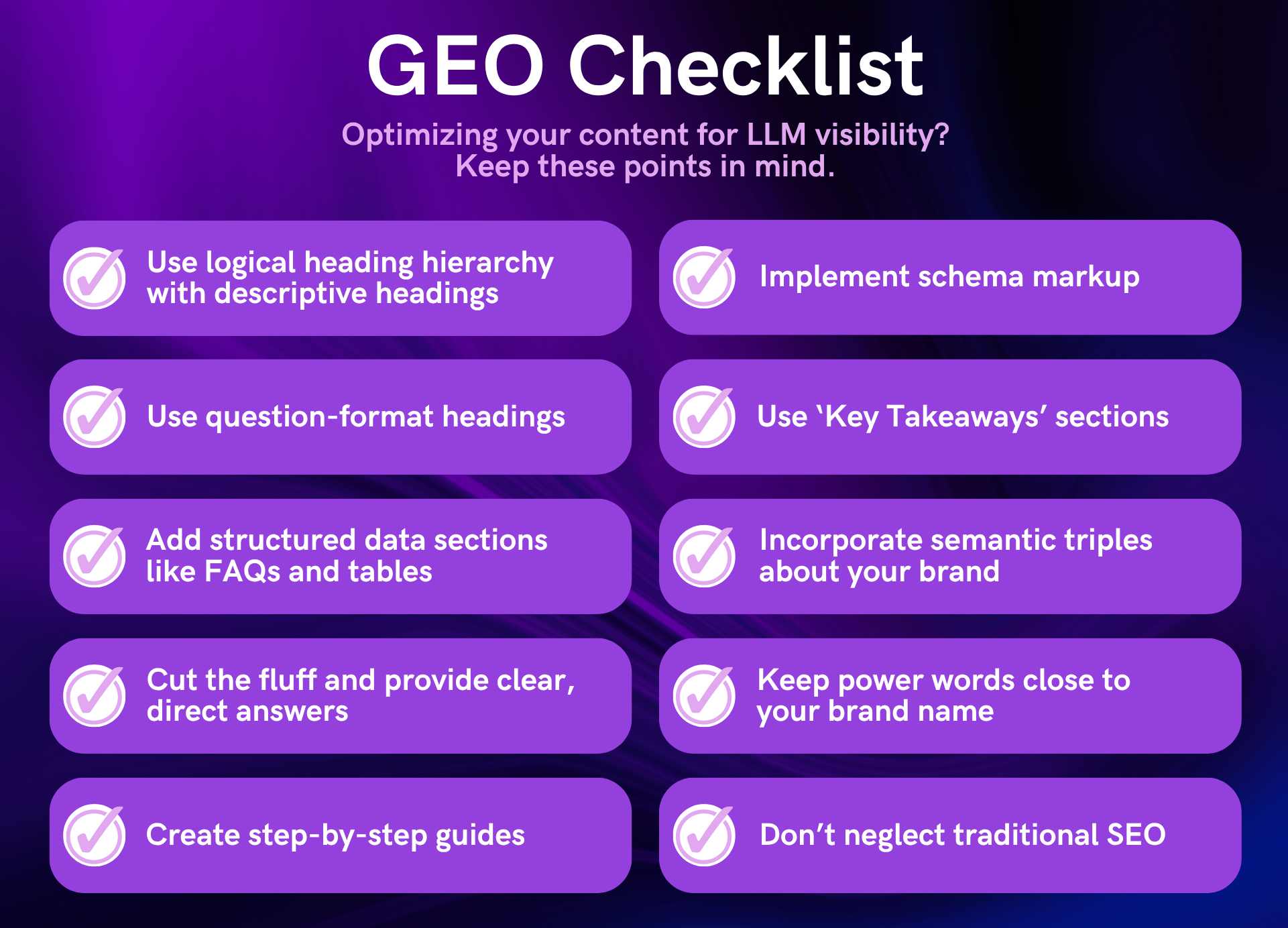
What also matters for enhanced LLM visibility is the consistency in brand naming across multiple trusted sources.
For instance, the more often ChatGPT’s crawlers find your brand mentioned across credible sources on the web, the higher your chances of getting into its generative answers.
If you’re not yet optimizing for LLM visibility, you’re risking being left behind by your competitors. Reports show that about 50% of Google searches already show AI summaries, and this is expected to rise to 75%+ by 2028.
More people use LLMs to find answers than traditional search engines, and this is where your biggest online visibility opportunity is.
High-quality Backlinks for SEO Growth
Guest blogging outreach is similar to SEO outreach, as both rely on backlinks as universal authority signals. However, not all backlinks can create value and provide clear SEO benefits for your website or brand.
A high-quality backlink usually has the following attributes:
- Is placed in a topically relevant and contextually aligned website.
- Appears in the main body of the article (avoiding intros and conclusions).
- Resides within the primary content rather than extra sections (e.g., user comments).
- Uses descriptive, non-manipulative anchor text.
- Enjoys the company of other credible references.
For a backlink to contribute to SEO growth, it must be indexed and crawlable by search engines; otherwise, it wouldn’t transmit the so-called link equity — signals that matter for search visibility.
How do you make your backlinks crawlable after a successful pitch, reply, and follow-up? By ensuring the following:
- Use plain, standard HTML with your link. If you hide it behind complex JavaScript, forms, or event handlers, search crawlers might not be able to discover, access, or process your link, thereby preventing it from being appreciated for its value.
- Remove all page blockers, like authentication walls, complex meta (noindex), or access restrictions in robots.txt files.
- Avoid or limit marking your links as nofollow or sponsored. These attributes tell search engines to limit or ignore the transfer of link equity.
- The page with the link must return a clean HTTP status (200 OK), as opposed to 404 errors or redirects.
From an SEO perspective, using a guest posting service that provides all backlinks in time and with high quality helps avoid uneven authority signals and prevents all or most of the problems mentioned above, especially when your reach is limited to relevant editors and followed by clear confirmation of link placement.
It’s not a magic wand, although, for many casual users, any sufficiently advanced technology is almost indistinguishable from magic. That said, even technically perfect links won’t work in isolation if the underlying ideas are poorly positioned.
Contextual Brand Positioning
For a guest posting to yield SEO benefits for one’s brand, context must shape meaning. That’s the key rule for an effective brand positioning and marketing campaign, as the same brand mention can feel authoritative or out of place depending on where it appears.
Contextual brand positioning focuses on embedding your brand into conversations that already reflect what you do. You stay within your topic, in the relevant industry and market niche, and your posts target a specific audience.
I often call it a semantic positioning. Put simply, it’s not where your brand is mentioned, but what ideas, entities, and problems surround it.
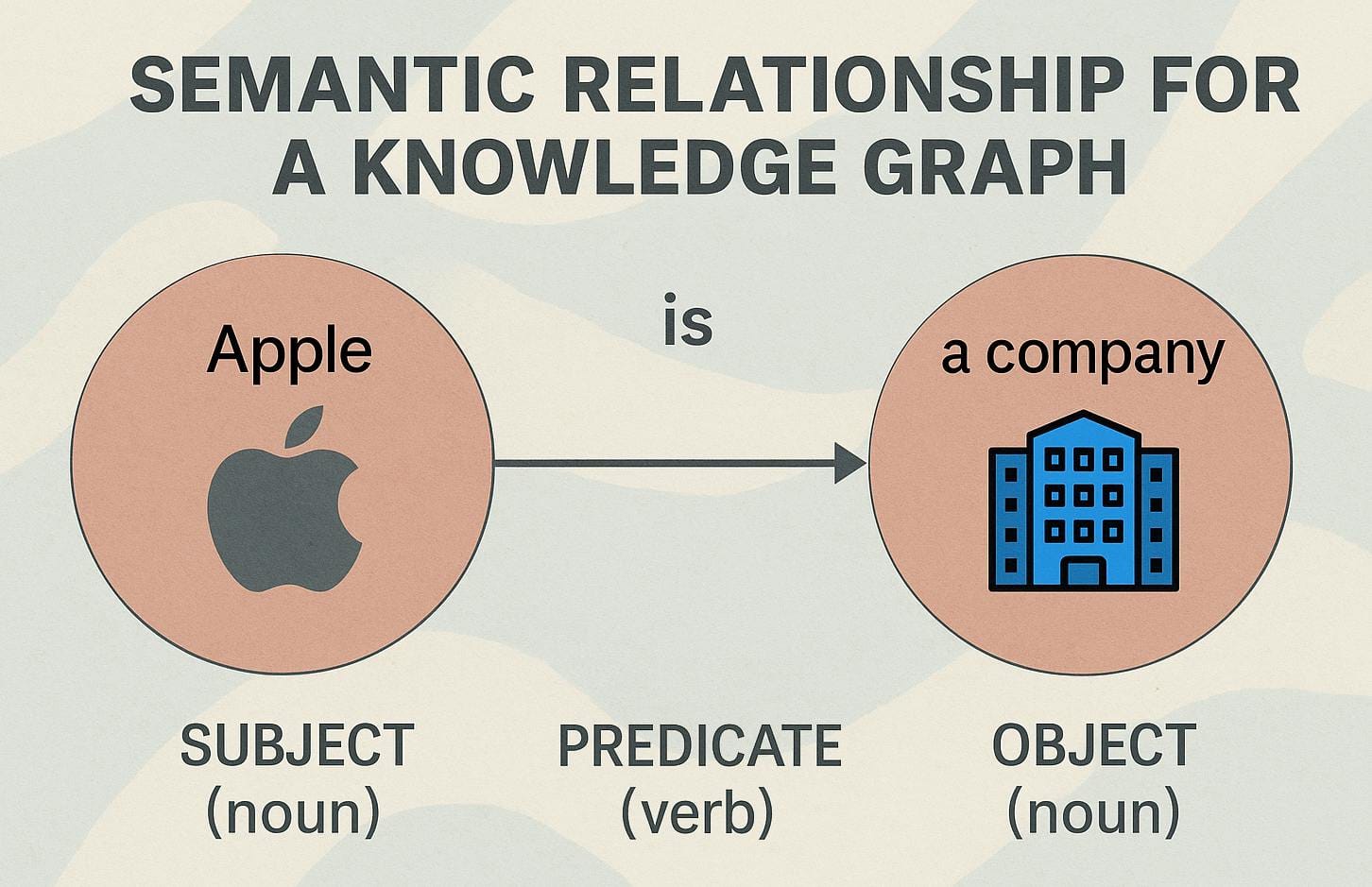
With guest post submissions, you position your brand within relevant discussions, topic clusters, and social media debates. Readers start to associate your brand with specific ideas. And search engines follow that association.
LLMs, in particular, use advanced AI algorithms based on machine learning and neural networks. This enables them to understand context, sometimes better than humans do.
As a result, generative AI engines don’t just count keywords or mentions, like the traditional search engines used to do; they interpret meaning and give your brand a higher score if it appears in contextually relevant discussions.
Direct Access to Niche-Relevant Audiences
You don’t do guest posting outreach at random; you cherry-pick relevant threads, websites, and forums where your brand organically fits. Over time, you establish lasting relationships with editors and publishers, who have access to the highly relevant target audiences.
There’s a difference between being seen and being seen by the right people. Guest posting leans heavily toward the second.
I’ve noticed that niche readers don’t skim as much. They read carefully. They judge faster, too. Simply because they are knowledgeable in a given topic and can sense value and practicality from the opening paragraphs.
That kind of audience access tends to result in:
- Higher engagement despite lower volume.
- More realistic expectations from readers.
- Clearer positioning over time.
- Less noise in performance signals.
It’s not glamorous. There are no big spikes. But there is continuity.
The same people keep encountering your brand in the same places. And that repetition, quiet as it is, does most of the reputation and visibility-building work for your brand.
Why Does Your Guest Post Outreach Fail?
Let’s zoom back into the main question — why do you get no response to emails, and your outreach efforts fail? There could be several reasons for that, and I’ll explain them all further down the post.
However, in this chapter, I’ll list only the three fundamental reasons, the ones so blatantly obvious that they often get overlooked.
You’re Hitting the Wrong Editorial Layer
Not every editor has the power to act upon your email. That’s an easy detail to miss.
Many outreach emails go to people who create, edit, and update content but don’t control publishing decisions. They are in the wrong hierarchical layer, and it’s your mistake to assume their organization is as flat as yours.
That’s where the breakdown happens. The pitch looks fine, but it can’t move forward for reasons that you cannot control.
Or, can you? Sometimes, you do have the leverage here, and problems only start with your inability to use it properly:
- You email a generic contact address.
- You reach a contributor without decision-making power.
- You pitch writers instead of editors.
- You target marketing roles, not editorial ones.
The bottom line: If the recipient doesn’t have the authority to act upon your pitch, or a desire/mood to send it further up their chain of command, you lost this round silently, i.e., without any feedback. Your email just disappears, and you might be thinking you failed in the convincing department.
Your Contact Data Isn’t Accurate Enough
Flaws in a database of outreach recipients are another fundamental reason for email failure. Creating a database is time-consuming and prone to human error, especially if you do it manually.
The most common contact data-related reasons why outreach emails fail include:
- Incomplete or outdated contact information.
- Contact details do not match the recipient’s role.
- Generic inboxes instead of person-specific ones.
- Duplicate records that create spam-like dissemination behavior.
What’s the alternative to doing this error-prone manual work? Use tools like Skrapp to help you collect role-specific email addresses at scale, ensuring data accuracy and improving response rates.
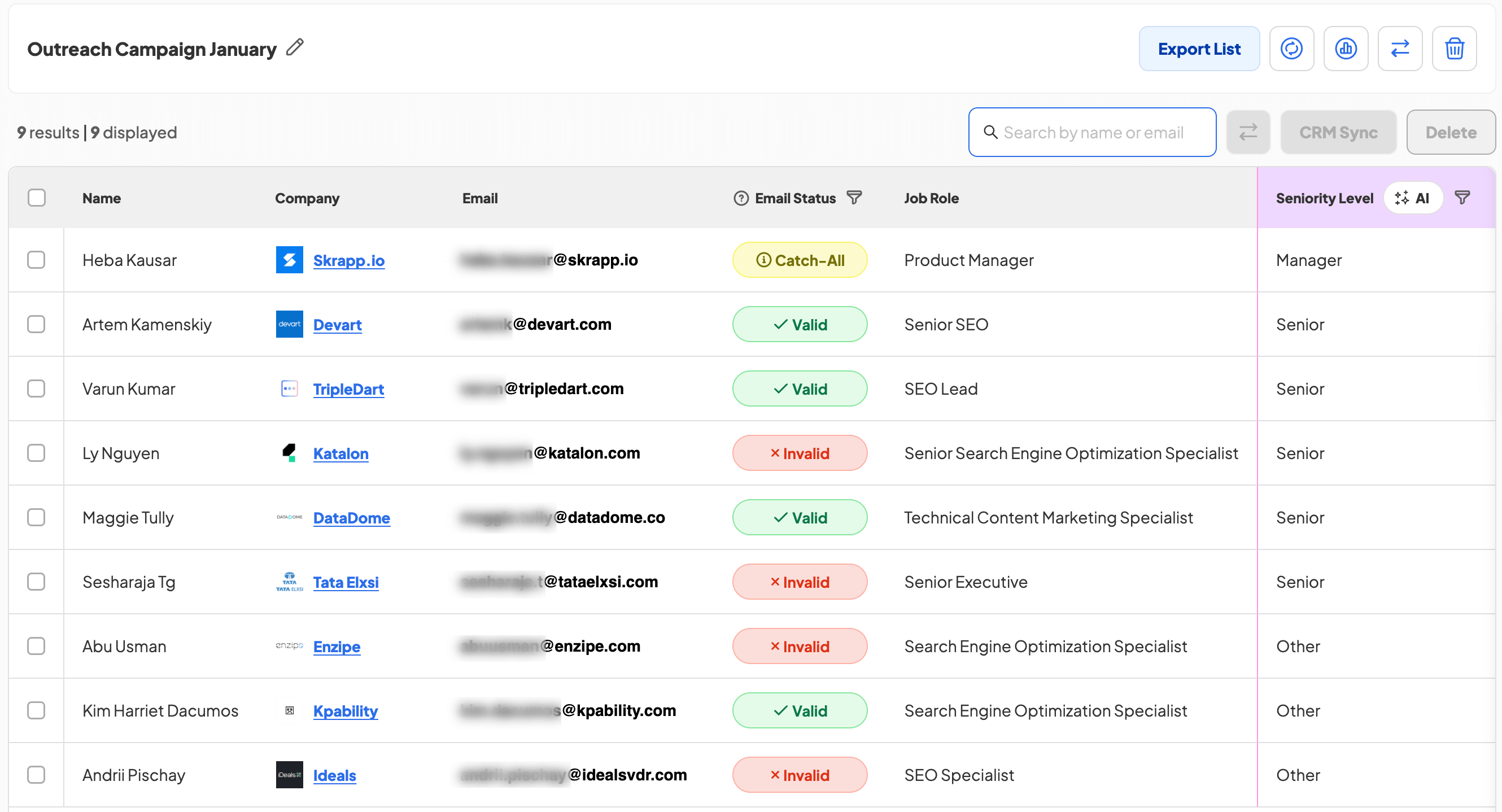
Let the tool do the heavy lifting of finding and verifying business emails for you, while you focus on other, more creative aspects of the outreach process.
Your Email Timing Collides With Editorial Workflows
Ray Kurzweil, a famous AI visionary and Google’s Director of Engineering, and the author of the book “The Singularity is Near,” once said that most technological inventions fail not because they are bad, but because the timing is wrong.
The same is true for guest post outreach emails. You may have created a perfect post with a great pitch, your database of outreach recipients may also be accurate, but if you disseminate the emails at the wrong time, you won’t get the results you truly deserve.
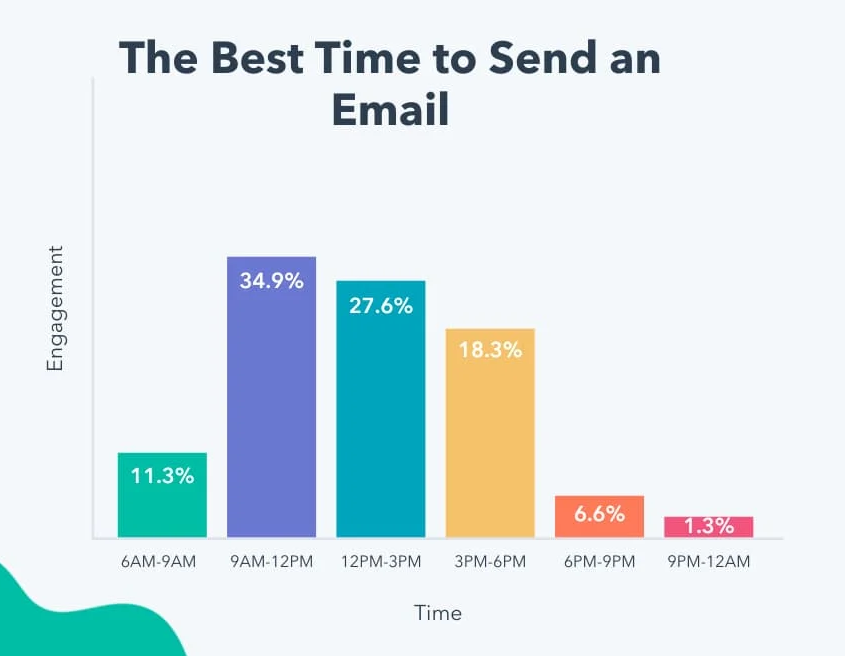
The key thing to understand is that outreach timing competes with attention, not interest.
Avoid doing the following:
- Sending out emails on peak publishing days
- Following up too soon (e.g., on the same day as the initial decline came)
- Ignoring usual editorial rhythms in your outreach timeline
The sense of perfect timing usually comes with experience. But you can speed up this process by learning the editorial rhythms, avoiding guest post submission on red-letter days, and simply being patient.
In many cases, waiting is the most effective optimization, and even a small timing adjustment can change everything in your favor.
Content Mismatches That Make Editors Disengage
The second after the fundamental group of reasons of failure revolves around content and its strategic positioning. The problems here begin with the inability to align content value with the editorial needs.
Your Pitch Solves Your SEO Problem, Not Their Content Gap
We all take our own problems for the problems of others, putting our interests first. Consciously, and sometimes subconsciously, our pitches address our internal problems without considering the content priorities on the other side.
For instance, editors disengage quickly when SEO link building and content are framed around rankings instead of audience value. Stuffing links and keywords is the vestige of the old days of SEO. Today, search engines value the ability of the content to resonate with the audience’s interests and address its pain points.
This disconnect usually shows up in subtle ways:
- Pitches that emphasize links, rather than ideas.
- Topics chosen based on keywords, not importance for the reader.
- Value framed for the sender, not the publication.
- Articles that repeat the existing content.
You might get angry at an editor rejecting your email. But the key is understanding that they don’t do it out of hostility. They simply don’t see a reason to act, and this is how you end up with the "no response to email" problem.
Think of the receiving editor as your customer, and put their interests first. Frame your pitch and suggested content around their interests, pain points, and editorial requirements, and the attitude would change.
You Haven’t Earned Context Before Asking for Placement
This is a fairly common issue associated with the so-called cold outreach — when pitching without prior “warming up”, i.e., preparing editors and their email tools for what’s coming.
Cold emails that get responses are pretty rare, as editors are naturally skeptical of emails that arrive out of the blue. They compare them to everything they’ve already seen, and chances are, they’ll recall examples of more contextually relevant emails than yours.
Here is what usually makes you lose this comparison match:
- No reference to the publication’s existing content.
- Topics that feel adjacent but not properly integrated.
An example of an adjacent, but not properly integrated topic:
For a SaaS blog focusing on product-led growth, you pitch an article about generic link-building tactics.
The topic is adjacent (both are “marketing”), but it’s not properly integrated because:
- It doesn’t extend a current content theme.
- It doesn’t solve a problem the audience already knows.
- It doesn’t build on what the site has already published.
Editors are picky, even finicky, as it often seems to us. But in reality, they are protective of their blogs, doing what’s best for their websites, whether it’s efficiency, SEO impact, or both.
Contextually relevant pitches, where you’ve done solid prior homework, break through the editor’s defenses. They showcase value and put the editor’s publication interests first.
Invisible Trust Signals Editors Use to Ignore You
Some reasons for ignoring your emails are not as conspicuous. They originate in the final mile, the last percent of your preparatory run, and can be avoided once you understand how editors interpret subtle trust signals.
Your Domain Sends Low-Intent or Transactional Signals
Experienced editors don’t evaluate your emails in a vacuum, looking only at the content. They evaluate them together with other trust signals, such as domain authority.
And domain authority often kills the otherwise great pitch. Other low authority signals include:
- a bad history (e.g., of bulk outreach);
- prior aggressive link requests;
- inconsistent sending behavior (erratic or machine-driven).
I also usually skim the sender's domain names, and my solid background in SEO helps me instantly decide whether to trust the sender and read the email’s text or skip it.
That’s the cruel reality of modern outreach, not unique to outreach. HR recruiters and pre-screening recruitment tools do the same with applicants’ CVs (prior work experience at a known company signals greater trust). Procurement teams do it with vendor proposals (a familiar brand reduces perceived risk before details are reviewed).
Your Outreach Pattern Looks Automated at Scale
If you think that by changing recipients’ names, you make your pitch personalized, you’re way behind the baseline most editors stopped responding to years ago.
Today, when technology allows personalization and hyper-personalization, relying on mass-disseminated email templates is a marketing crime. Seriously, no self-respecting editor would react to an email that looks and feels like it was generated in the 90s, but arrived in their inbox only now.
What exactly makes your outreach pattern look automated? A few subtle and not-so-subtle things, actually, which can be split into two groups:
- Content-related signals that make a pitch look automated:
- Identical sentence structure and length.
- Generic openers or summaries.
- Over-polished, template-like language with no natural variation.
- Personalization limited to name or company only.
- External (behavioral) signals that reveal automation:
- Repeatable follow-up timing (e.g., exactly 3 days later).
- Reused subject lines across different publications.
- Multiple recipients receive near-identical versions of the same email.
- High outreach volume sent within short time windows (machine-like spikes in activity).
You can never know the editor's experience level on the other side or whether they would pick a few or all of the above-mentioned signals. But even one or two of them can scare away an experienced editor.
Even if editors don’t reject your email, their spam filters can, as they are configured to detect patterns in overly standardized guest post email templates and send such emails to the spam folder. And that should be enough warning signal for you to never go for automation without personalization.
Your Value Proposition Is Too Abstract to Act On
Value proposition is the essence of your outreach pitch. If it’s not present or is seriously off (e.g., too abstract), don’t expect an action upon reading your email.
Characteristics of an abstract value proposition include:
- Missing explanation of why this topic matters now.
- Vague promises like “high-quality content” with no explanations.
- No specific takeaway or learning for the publication’s audience.
- Ideas that could fit almost any publication without adjustment.
- Value framed around effort (“we’ll write,” “we’ll contribute”) instead of results.
I don’t claim to have made an exhaustive list of characteristics. In fact, there could be more things in your value proposition that an editor would find overly generalized.
Perhaps one of the most important elements we often forget to include at the very end are the next steps. No clear next step for the editor gives them the liberty to postpone taking action.
Figuring out the next practical steps takes some brain energy, which not everyone might be willing to invest right away. The real problem is that they almost never get back to a pitch once it has been mentally deferred.
How to Fix Guest Blog Outreach That Gets Ignored (A Practical Checklist)
To effectively prevent your guest post outreach from being ignored, take the following steps.
Step 1: Audit One Ignored Outreach Thread End-to-End
Experience and practice are some of the most effective teachers. A few lucky ones can learn from the failures of others, but most of us would commit mistakes ourselves and learn things the hard way. But, as they say, you learn faster when it hurts a little.
Take a closer look at your failed outreach attempt. Analyze it from the inside-out, paying particular attention to the following:
- Was the recipient’s role empowered to act on your email?
- Subject line vs. email’s body (do they match each other nicely?).
- Opening paragraph: Does it ignite interest and “hook” the reader?
- Clear topical fit: Does your proposed topic naturally belong to that website?
- Time sent: Does it fit or collide with editorial cycles?
And, of course, don’t forget to review your call to action/next steps — is it compelling, relevant, and urgent enough? Even after a few days since writing, we often find flaws in our own words.
Step 2: Validate Editorial Fit Before Sending Another Email
This step I like to call evolutionary. Why? Because it reminds me of the universal law of evolution, which states that in nature, the chances of survival are higher for species that better fit their environment.
Not the smartest, the strongest, or the most beautiful, but the one who fits a particular environment better than its rivals.
Editorial fitness follows the same laws, but here we deal not with the physical and natural, but with the digital communication environment. It's about the survival of the fittest ideas for a particular publication.
Here is how you can ensure your ideas fit the publication:
- Check published posts to understand thematic coverage and identify topical gaps.
- Review the editorial guidelines to maximize your chances of acceptance for your pitch.
- Match your idea to the publication’s typical depth, format, and tone.
As in marketing research, your work should include, and ideally start with, the audience analysis. Ensure your topic, writing style, and content are easily understood by the local audience.
Step 3: Rebuild Outreach Around Editorial Value Signals
Your outreach email should be optimized for editorial acceptance, i.e., anticipate and convey different editorial value signals. These signals are built around editorial usefulness and answer one simple question for the editor:
“Will this help me serve my audience better?”
Typical editorial value signals include:
- Clear audience benefit (Will my audience appreciate this new article/post?).
- Topical relevance (Will it fit nicely into the topical coverage of our blog?).
- Originality of angle (Does it bring new ideas, insights, and value as such?).
- Timing (Is it the right time to address this topic/matter/question?).
- Fit with editorial tone and depth (Does it meet our requirements on tone and structure?).
- Low editorial effort (Will it be easy for me to review and publish this content?).
Another important thing that editors value and your pitch must address is the credible authorship context. In other words, the author of the post should appear qualified enough to cover the topic.
To sum up: Rebuilding outreach around editorial signals means optimizing your pitch so that these signals are all present and are obvious at first glance.
Step 4: Reduce Automation Footprints and Scale Signals
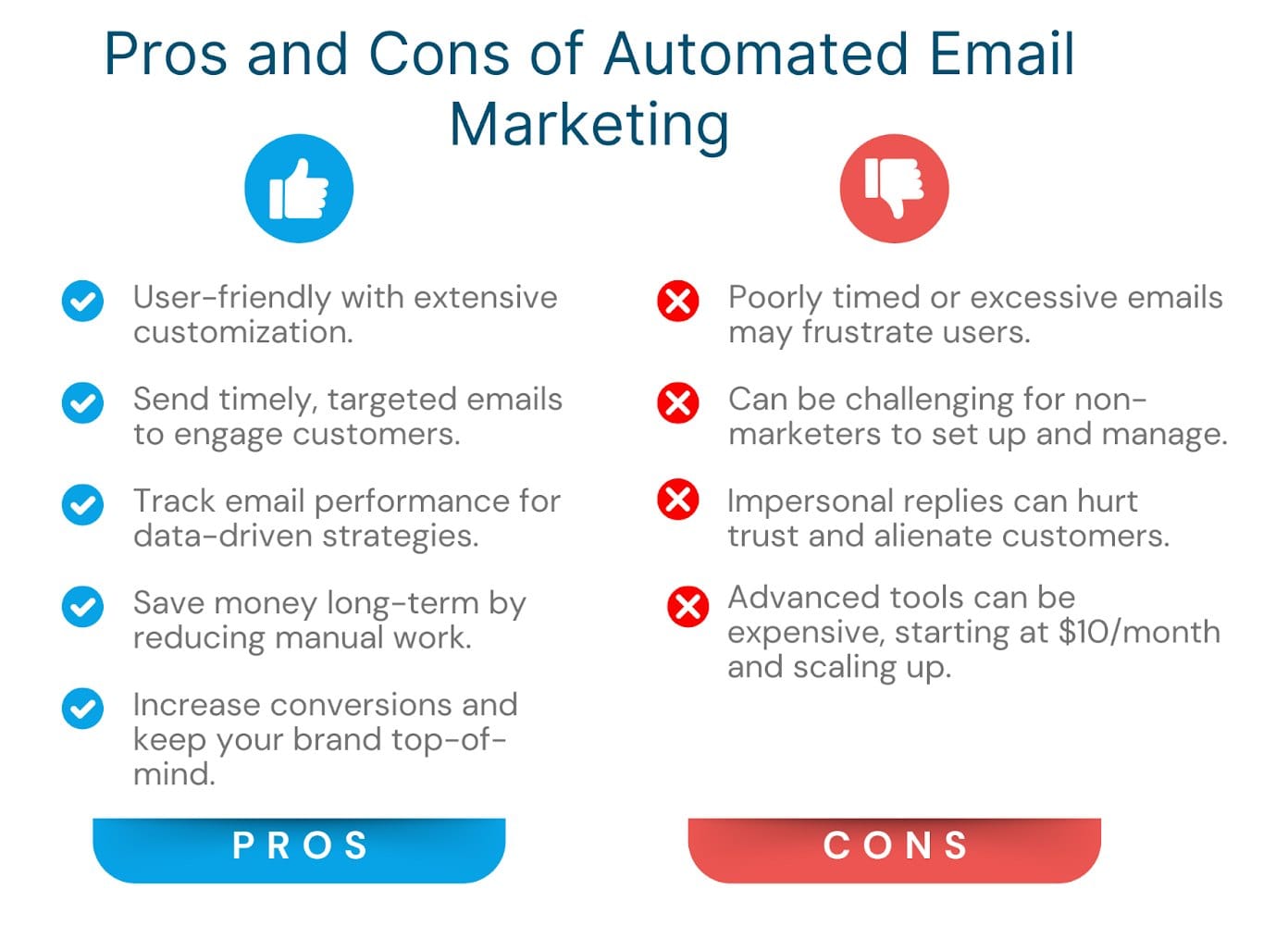
Automation is good as long as it can meet the high personalization standards that the modern guest post submission puts forward. Without personalization, your outreach will look like a mass-disseminated email template from the past.
Here is what reducing automation stipulates:
- Adjust the opening lines to contain the key value proposition and “hook” the editor.
- Reference a specific article, author, or recent theme from the publication to signal the editor that you’ve studied their materials.
- Add a human tone to your email by referencing your experience, recalling an interesting case study, or including a relevant joke/humor.
- Use different subject lines for each outreach email based on the context.
Avoid using clichés, complex terminology (as to show your knowledge), or overly official tone (e.g., an opening “Dear Sir/Madam”), which is only good for strict business or diplomatic correspondence.
Step 5: Test Outreach in Small Batches Before Scaling
Testing was invented by clever people who didn’t want to make costly mistakes. If anything goes wrong with your outreach, say the system fails to change recipients’ names, or an attachment fails to load, you are risking damaging your reputation.
At scale, this will be a big problem, but if only a small batch fails, you’ll not sustain big reputational or economic losses.
Timely feedback from testing small batches reduces the risks and helps you improve your outreach quality. So, always set aside some time and resources to run tests before scaling.
Every outcome, negative or positive, will allow you to incrementally adjust your outreach campaign and improve the performance of the next iteration.
Guest Blogging Email Templates
A few examples of effective guest post outreach templates should help and complement everything we’ve discussed so far. Each template offers a slightly different angle and is designed to fit a specific editorial situation and intent.
#1. A Clean, First-Touch Editorial Pitch
This is a classic cold email template example. Use when you have no prior relationship and want a low-friction introduction.
Subject: Guest article idea for [Publication Name]
Hi [Name],
I’ve been following [Publication Name] for a while, especially your recent piece on [specific article/topic]. It raised an interesting point about [brief insight].
I’m reaching out with a guest article idea that builds on that theme. The angle focuses on [one-sentence description of the idea], tailored specifically for your audience of [who they serve].
If it’s helpful, I can share a short outline before writing anything in full.
Let me know if this fits your editorial direction.
Best regards,
[Your Name]
[Your Role]
#2. Context-Aware Pitch (Referencing Existing Coverage)
Use it when the publication already covers adjacent topics, and you want to extend them.
Subject: Extending your coverage on [Topic]
Hi [Name],
I noticed that you’ve covered [topic] several times recently, particularly in [article title or section]. It looks like an area you’re actively developing.
I’d like to propose a guest article that extends that discussion by focusing on [specific gap or unanswered question]. The piece would complement your existing coverage rather than repeat it.
If this sounds relevant, I’m happy to send a concise outline or adjust the angle to better fit your roadmap.
Thanks for your time,
[Your Name]
[Your Role]
#3. Data- or Insight-Driven Contribution
Use when you have original data, observations, or practitioner insights. One of the most effective guest post outreach templates, provided your data is of high quality.
Subject: Data-backed guest article idea
Hi [Name],
I’m reaching out with a guest article idea based on insights we’ve gathered while working on [brief context — research, projects, audits, etc.].
The article would explore [core insight] and explain what it means for [their audience], using concrete examples rather than theory.
If original, experience-based content is something you’re open to, I can send a short outline for review.
Looking forward to your thoughts,
[Your Name]
[Your Role]
#4. Contributor-Style Pitch (Low Editorial Effort)
Use when you want to signal that the article will be easy to review and publish.
Subject: Contributor submission for [Publication Name]
Hi [Name],
I’d like to contribute a guest article to [Publication Name] that aligns with your existing tone and structure.
The topic focuses on [topic], written in a format similar to your recent posts (clear sections, practical takeaways, no promotional framing).
If helpful, I can:
– Share an outline first
– Adjust length or depth
– Follow your contributor guidelines closely
Let me know if this would be useful.
Best,
[Your Name]
[Your Role]
#5. Soft Re-Outreach After Silence
Use when a previous pitch was ignored, without sounding like a typical follow-up.
Subject: New angle for [Publication Name]
Hi [Name],
I reached out earlier with a guest article idea, but I realize timing may not have been ideal.
I’m sharing a revised angle that may be a better fit. This version focuses on [new or refined angle], directly tied to what your audience is currently engaging with.
If this still isn’t a match, no worries at all — just wanted to share a more relevant option.
Thanks for considering,
[Your Name]
[Your Role]
The Bottom Line
Guest post outreach is a potent, but often inefficient, way of building authority, online visibility, and trust. The inefficiency begins when we underestimate the importance of details, such as recipient data accuracy and pitch personalization.
The most typical reasons why your emails get ignored include:
- Lack of strategic planning, e.g., targeting editors without decision-making powers, or compiling recipient databases with inaccurate or outdated contact information.
- Content mismatches, when you overestimate your SEO problems and underestimate or ignore those of your recipients, or when you haven’t studied the publication’s existing content and failed to offer an interesting contribution.
- Subtle trust signals, such as authority problems with your domain, an overly templated/automated email pitch, or a vague value proposition.
Luckily, all of these problems can be prevented, and you can avoid silence upon disseminating emails, provided you take the following actions:
- Audit your failed outreach threads to identify and solve issues.
- Validate editorial fit before making another outreach attempt.
- Incorporate editorial value signals into outreach campaigns.
- Personalize your pitches to reduce automation look and feel.
- Test outreach in small batches to avoid costly mistakes of hectic big-scale campaigns.
Remember, outreach is less about sending more emails and more about sending the right ones.
FAQs: Guest Posts Get Ignored
What is guest post outreach?
It’s a type of marketing activity when you reach out to potential publishers of your content. The latter consists of guest posts that you write yourself or involve external writers. The purpose of guest post outreach is to build visibility, authority, and trust around your brand or products/services.
Should you follow up on guest post outreach emails?
Following up on guest post outreach emails is important because that’s how you maintain a connection with current or potential publishers. You may get positive (“Yes, we’ll publish your post”) or negative (“Sorry, we don’t find your proposition/idea as useful for our blog”) feedback, and sometimes no reply at all, but follow-up is important in either scenario.
Why are guest post outreach emails ignored?
Outreach emails are ignored for various reasons, including but not limited to a vague value proposition, failure to personalize the pitch, inability to find and close the publication’s content gap, address their pain points, bring value to their audience, or simply meet the technical (format) requirements of their editorial team.
What makes a guest blog outreach email look automated?
The most common reason is poor customization/personalization of the outreach’s email, and the use of standardized guest post email templates/cliché phrasing. Other reasons include the use of standardized subject lines for emails targeting different threads, or sent out during extended time intervals, as well as failure to reference a particular article, author, or recent theme to show respect and how your idea fits their needs.